
Curb Appeal That Pays You Back: NoVA Energy-Saving Landscaping Secrets
When most people think about landscaping, they think about aesthetics: vibrant flower beds, a perfectly manicured lawn, or a pristine stone walkway. But what if your yard could do more than just look pretty? What if it could actually put money back in your pocket?
With strategic, intentional design, your landscaping can act as a natural shield for your home, drastically cutting down your heating and cooling costs. In fact, according to the U.S. Department of Energy, a well-designed landscape can pay for itself in energy savings in less than eight years.
Here is how you can use "green infrastructure" to boost your curb appeal and lower your energy bills at the same time.
1. The Summer Shield: Plant Deciduous Trees on the South and West
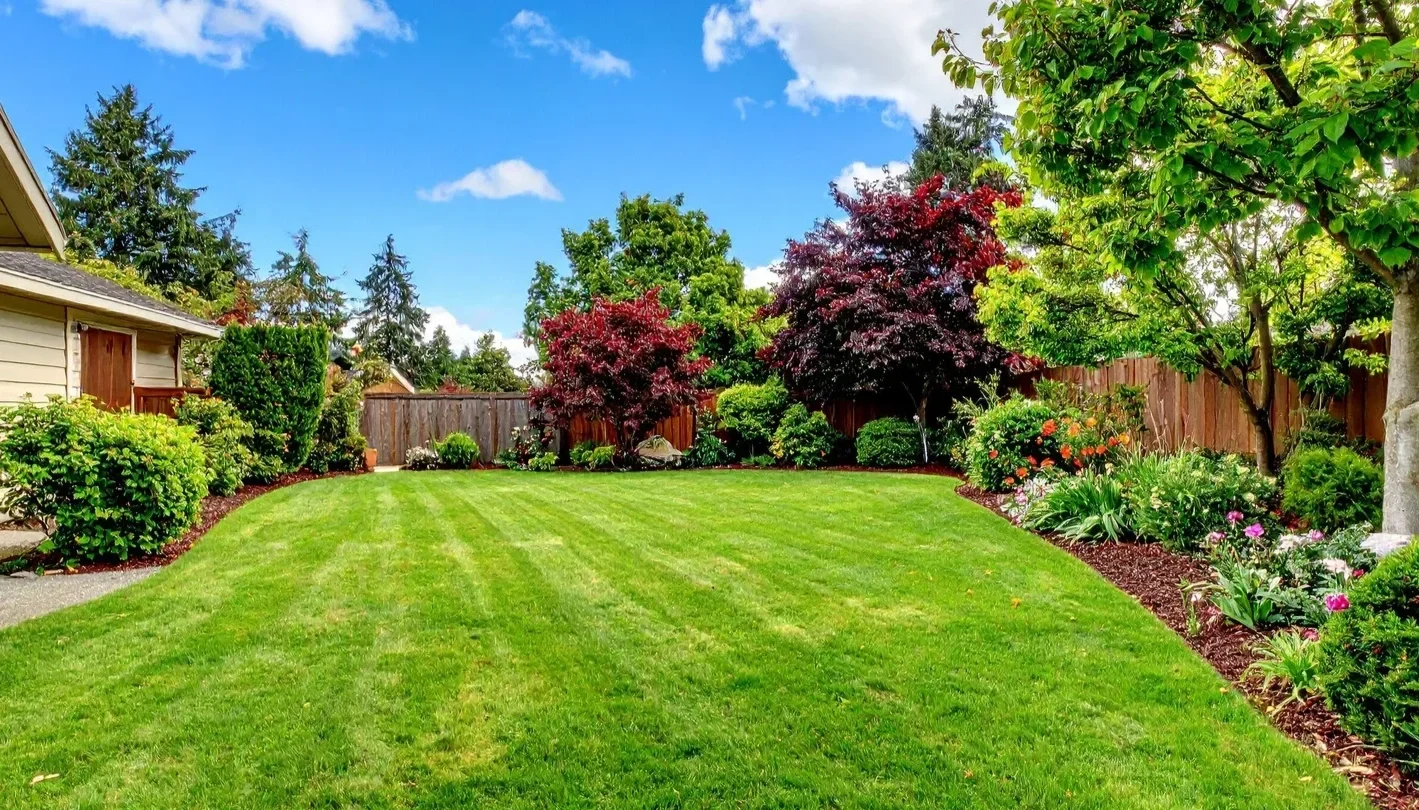
The summer sun beats down hardest on the south and west sides of your home. By planting deciduous trees (trees that lose their leaves in the fall) in these areas, you create a dynamic, seasonal climate control system.
In the Summer: The full, leafy canopy blocks the harsh afternoon sun from baking your roof and walls, keeping your indoor temperatures cooler and giving your A/C a much-needed break.
In the Winter: Once the leaves drop, the bare branches allow the low winter sun to shine right through, naturally warming your home via passive solar heating.
Great Options: The mighty White Oak provides massive canopy shade to cool your roof, while the River Birch offers beautiful peeling bark and thrives in our tough Virginia clay.
2. The Winter Windbreak: Use Evergreens on the North
Winter winds can relentlessly strip heat away from your home, forcing your furnace to work overtime. To combat this, you want to create a "windbreak" on the north and northwest sides of your property.
How it works:Evergreen trees and shrubs maintain their dense foliage year-round. By planting a row of them, you deflect icy winter winds up and over your house, creating a pocket of dead air that insulates your home.
Bonus Curb Appeal: Evergreens provide structure and vibrant color during the dreary winter months when the rest of your yard is dormant.
Great Options: Our native Eastern Red Cedar or American Holly are incredibly tough wind-blockers. For a classic Virginia look, a dense Southern Magnolia offers massive, glossy leaves that deflect wind all winter long.
3. Shading the "Hot Spots" (Your A/C Unit and Patio)
Take a look at your air conditioning unit. If it’s sitting in the direct, baking sunlight, it has to work significantly harder to cool the air it draws in.
By planting tall shrubs or installing a lattice trellis with climbing vines around the unit, you can create a microclimate of cool shade.
The Golden Rule: Always leave at least 2 to 3 feet of clear space around the unit for proper airflow and maintenance access.
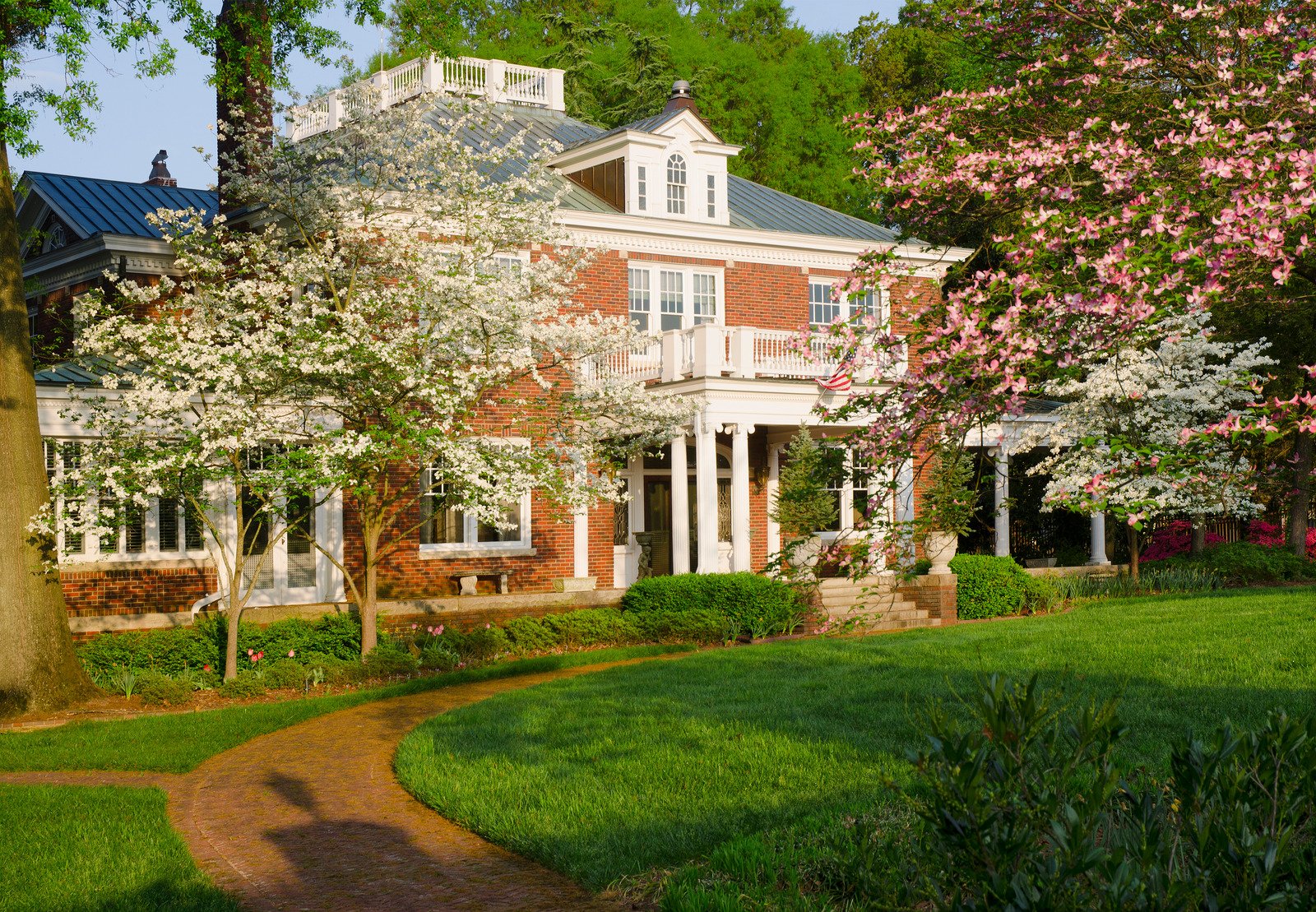
Great Options: The Flowering Dogwood (our state tree!) or the vibrant Eastern Redbud are ideal small-scale options. They stay under 30 feet, meaning they won't interfere with power lines or crowd your siding, but will cast plenty of vital afternoon shade.
Similarly, shading concrete patios and driveways with nearby trees prevents these hardscapes from absorbing heat all day and radiating it back toward your house long after the sun goes down.
4. Create an Insulating "Air Pocket" with Foundation Plants
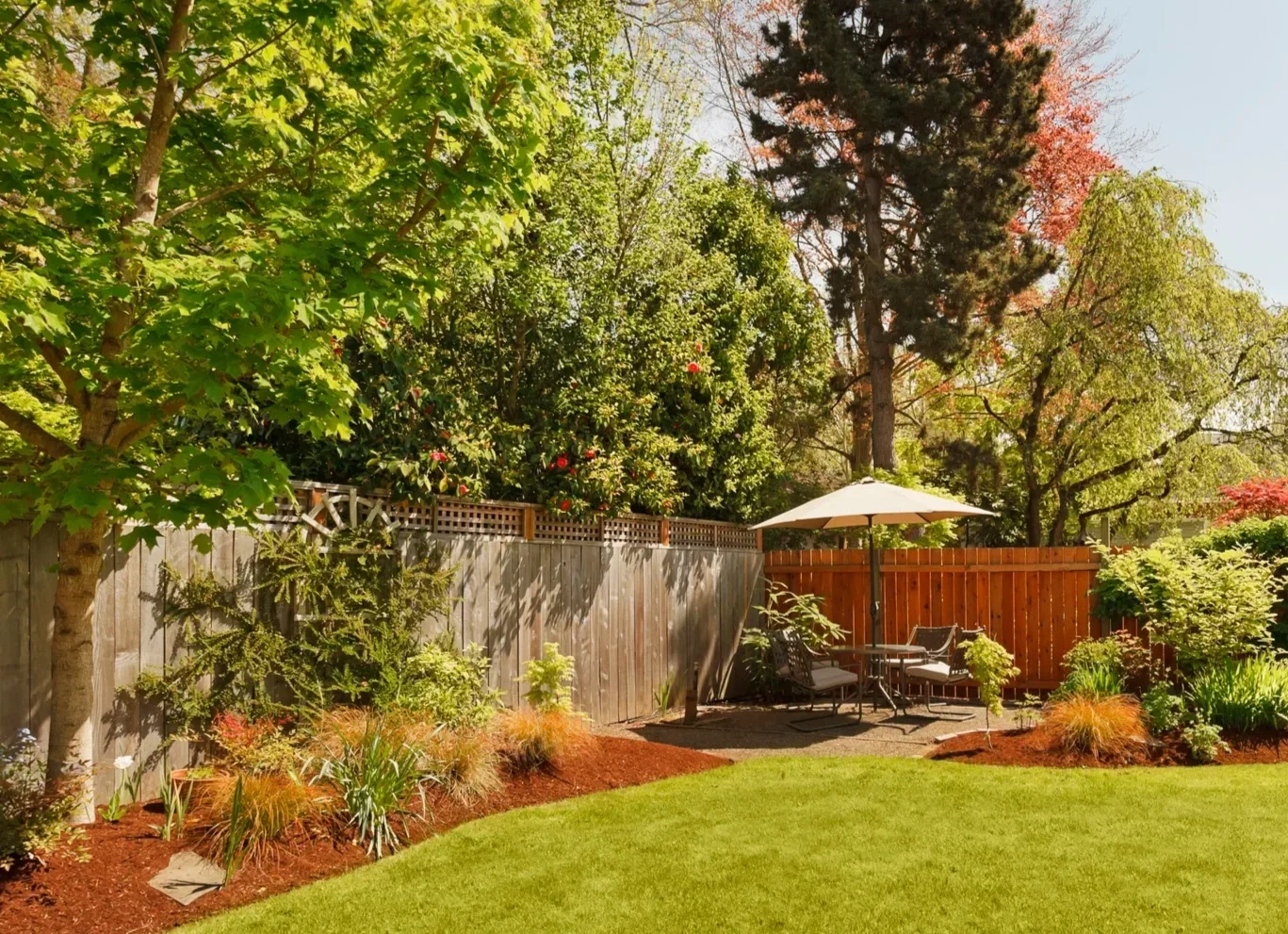
Planting a neat row of shrubs right against your home’s foundation does more than just hide concrete—it creates an insulating dead-air space.
In the winter, this pocket of still air helps buffer your home against freezing ground temperatures. In the summer, it prevents ambient heat from radiating directly against your siding. Just be sure to prune them so they don't directly touch your home's exterior wall, which protects against moisture buildup.
Ready to Upgrade Your Landscape?
Beautiful landscaping isn’t just aesthetics—it's a smart financial investment. By understanding how sun and wind interact with your specific property, you can design a yard that looks stunning and keeps your hard-earned money from escaping out the window.
Want to find the perfect energy-saving plants for your specific climate zone? Contact us today to schedule a free personalized consultation!