
Creating a Cool Backyard Retreat — Smart Landscaping for Hot, Humid Summers
Northern Virginia summers are beautiful—but they’re also hot, humid, and often intense. Thoughtful landscape design can turn any outdoor area into a refreshing retreat that stays comfortable even on 90° days. Below are four essential design strategies, each expanded with practical guidance and region‑specific insights.
1. Create Shade That Works with the Climate
Shade is the foundation of a cool outdoor space, but not all shade solutions perform equally in Northern Virginia’s climate. The goal is to combine structural and natural shade to block harsh sunlight while still allowing airflow.
Structural Shade Options
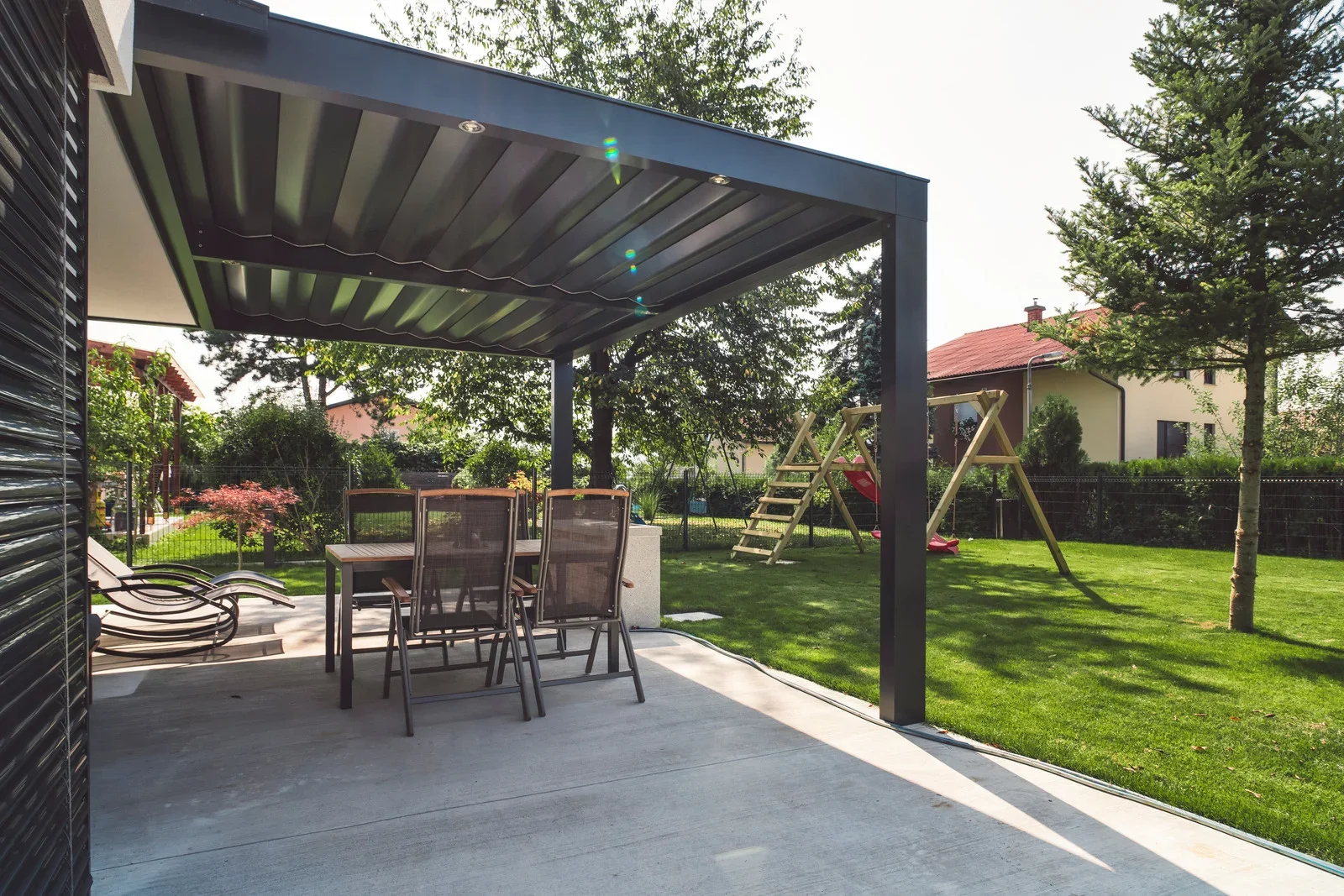
Pergolas with adjustable slats or retractable canopies let homeowners control light throughout the day. Pairing them with climbing plants like wisteria or clematis adds natural cooling through evapotranspiration.
Shade sails offer modern aesthetics and excellent UV protection. They’re ideal for irregularly shaped yards and can be angled to catch breezes.
Covered patios with light‑colored roofing reflect heat rather than absorbing it, keeping the area underneath significantly cooler.
Natural Shade Options
Native shade trees like red maple, river birch, and tulip poplar grow quickly and thrive in local soil conditions. Their dappled shade cools without making the space feel dark.
Layered planting—using tall shrubs, understory trees, and groundcovers—creates microclimates that reduce ambient heat.
Why This Matters in Northern Virginia Humidity amplifies heat. Combining structural and natural shade helps block direct sun while encouraging airflow, which is essential for comfort in this region.
2. Use Water Features to Cool the Air Naturally
Water features don’t just add beauty—they actively lower surrounding temperatures through evaporation. In Northern Virginia’s humid summers, even small water elements can make a noticeable difference.
Cooling Water Elements
Fountains create movement and airflow, helping break up stagnant hot air.
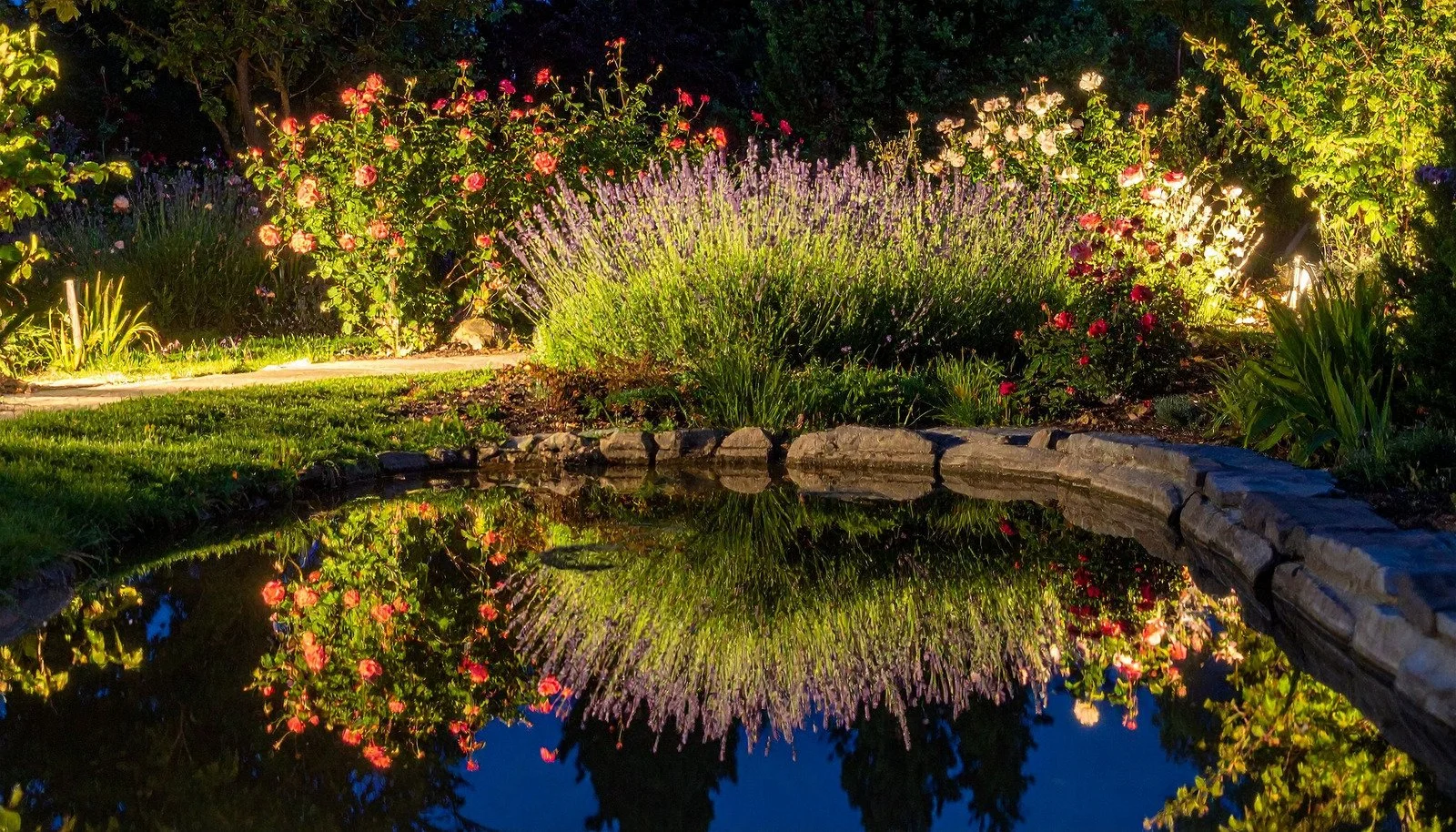
Reflective ponds with aquatic plants like water lilies help regulate temperature and add a serene focal point.
Misting systems installed around pergolas or patios can drop temperatures by 10–15 degrees. They’re especially effective when paired with fans.
Placement Tips
Position water features near seating areas to maximize cooling.
Use natural stone around ponds and fountains to enhance the cooling effect.
Consider recirculating systems to reduce water waste and maintenance.
Why This Matters in Northern Virginia The region’s humidity means water features work best when combined with airflow. Moving water—rather than still water—creates the most cooling impact.
3. Design for Airflow and Natural Ventilation
Shade alone won’t keep an outdoor space comfortable. Airflow is the often‑overlooked ingredient that transforms a hot patio into a breezy oasis.
Ways to Enhance Air Movement
Outdoor ceiling fans under pergolas or covered patios keep air circulating and help evaporate moisture from the skin.
Landscape‑guided breezes: Tall ornamental grasses, staggered shrubs, and open pathways can direct airflow through seating areas.
Open layouts reduce heat pockets. Avoid solid fencing or bulky furniture that blocks breezes.
Smart Orientation
Position seating areas where they can catch prevailing winds—typically from the west and southwest in Northern Virginia.
Use lattice panels instead of solid walls to maintain privacy without sacrificing ventilation.
Why This Matters in Northern Virginia Humidity makes still air feel suffocating. Designing for airflow ensures outdoor spaces stay usable even during peak summer heat.
4. Choose Materials and Plants That Stay Cool
The materials and plants you choose can dramatically affect how hot an outdoor space feels. Some surfaces absorb heat, while others stay cool underfoot. Plants can also reduce temperatures through shading and evapotranspiration.
Cool‑Touch Materials
Natural stone like bluestone and travertine remain cool even in direct sunlight.
Light‑colored pavers reflect heat instead of absorbing it, making patios more comfortable.
Modern composite decking is engineered to stay cooler than older versions, especially in lighter shades.
Heat‑Reducing Plants
Native shade plants such as ferns, hostas, and foamflower keep ground temperatures lower.
Drought‑tolerant shrubs like inkberry holly and Virginia sweetspire stay lush through summer heat with minimal watering.
Vertical greenery—living walls or trellised vines—adds insulation and shade without taking up space.
Why This Matters in Northern Virginia Surfaces can become scorching in full sun. Choosing materials that stay cool ensures patios, walkways, and pool decks remain comfortable all day long.
If you’re looking to transform your yard into a refreshing retreat that stays enjoyable even during Northern Virginia’s hottest months, our team is here to help. We specialize in designing shade structures, installing cooling water features, selecting climate‑smart plants, and creating layouts that feel great all summer long.
Contact us today to schedule your free estimate and start planning an outdoor space that’s beautiful, functional, and built for comfort.